


In the vast landscape of financial markets, understanding and managing risk tolerance is crucial for crafting a resilient and effective investment portfolio. As a dedicated financial security advisor committed to reshaping perceptions about money, I recognize the pivotal role risk tolerance plays in the financial independence journey. Let's delve into the intricacies of various risk tolerance levels and how they shape investment decisions.
Minimal Risk:
At the conservative end of the spectrum, investors with minimal risk tolerance prioritize capital preservation over significant returns. This approach suits those who prefer stability and are averse to market fluctuations. While minimal risk may offer a sense of security, it often comes with lower potential for growth.
Conservative:
Investors with a conservative risk tolerance seek a balanced mix of stability and modest growth. Capital preservation remains essential, but there's a willingness to allocate a portion of the portfolio to assets with slightly higher risk, aiming for better returns while still mitigating potential losses.
Moderate Conservative:
Striking a middle ground, moderate conservative investors embrace a slightly more balanced approach. They are open to a mix of stable and growth-oriented investments, acknowledging the need for a measured level of risk to achieve higher returns.
Balanced:
A balanced risk tolerance reflects an equal emphasis on stability and growth. Investors in this category are comfortable with moderate market fluctuations, understanding that these are inherent to achieving a healthier return on investment. A well-diversified portfolio becomes crucial for maintaining this balance.
Growth:
Moving towards a more aggressive stance, growth-oriented investors prioritize capital appreciation over stability. While this approach can lead to higher returns, it comes with an increased exposure to market volatility. Diversification remains essential to manage risks effectively.
Aggressive Growth:
At the pinnacle of risk tolerance, aggressive growth investors are willing to take significant risks for the potential of substantial returns. This strategy involves a heavy focus on high-risk, high-reward investments and demands a robust understanding of market dynamics.
Managing Risk Tolerance Over Decades:
As you age, your risk tolerance often evolves. For instance, if you're in your mid-twenties, you have the advantage of withstanding a higher risk tolerance initially due to the decades of possible growth ahead. I advise considering the long-term time horizon, as markets tend to even out over time.
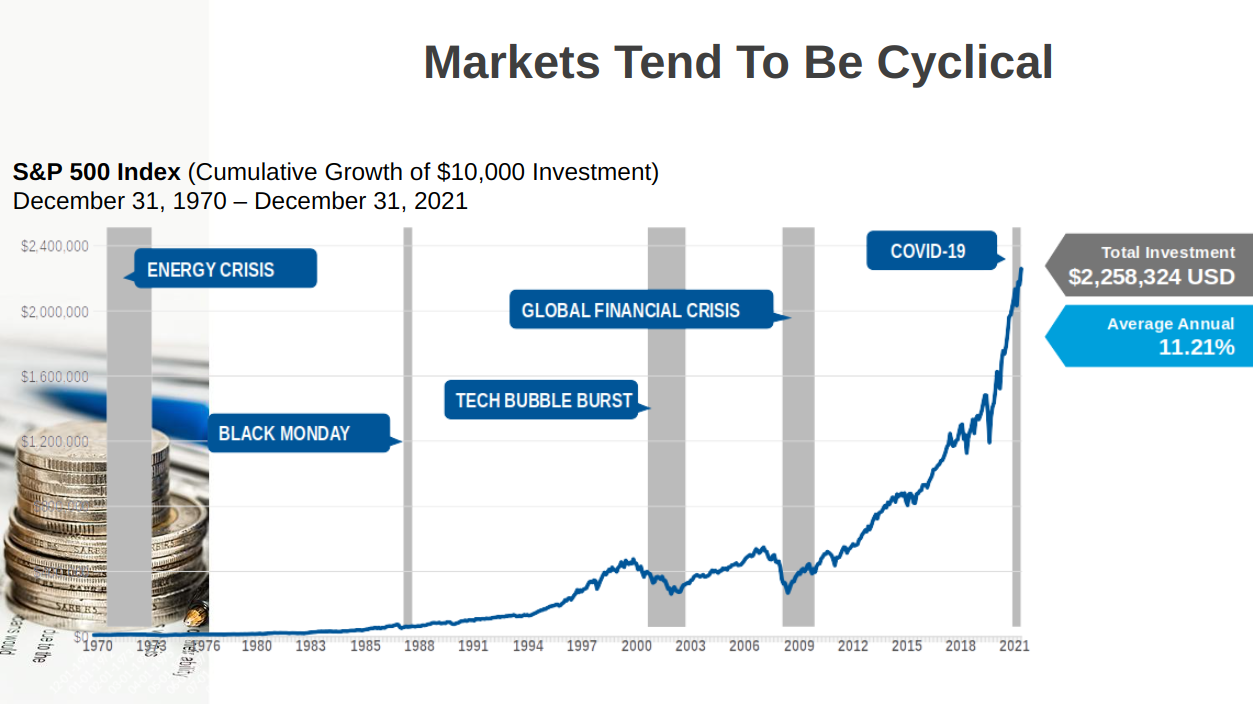
This strategic approach aligns with the potential for significant growth opportunities over the years.
Benefits of Working with a Licensed Financial Advisor:
Collaborating with a licensed financial advisor offers numerous advantages, especially when it comes to maintaining risk tolerance. As your advisor, I am committed to developing needs-based strategies that align with your evolving financial situation. This personalized approach not only safeguards your investments but also fosters a sense of confidence and financial security.
In conclusion, I subscribe to understanding and managing risk tolerance is a cornerstone of financial independence. My commitment to guiding clients through the seas of risk will undoubtedly lead to a more secure and prosperous financial future.
I would appreciate hearing about your experiences in the investment landscape; it may just spark a needed discussion.